The digital age has revolutionized how we consume stories, and nowhere is this more evident than in the explosive global popularity of manga and manhwa. From the intricate narratives of Japanese manga to the vibrant, scrollable sagas of Korean manhwa, these artistic mediums have transcended cultural borders to captivate millions. Our blog, "one piece characters," celebrates not just the iconic figures that populate these worlds, but also the dynamic ecosystem that brings these tales to our screens and hands – an ecosystem where scanlations play an undeniable, often controversial, yet undeniably crucial role. What began as a niche hobby among dedicated fans has blossomed into a global phenomenon, shaping consumption habits, influencing publishing trends, and fostering communities united by a shared passion for sequential art. This post will embark on an extensive journey through the rich history, cultural nuances, technological innovations, and ethical considerations surrounding manga, manhwa, and the scanlation groups that have accelerated their reach, forever changing how we interact with our favorite characters and narratives. We’ll delve into the very fabric of this global movement, examining how official industries adapt, how fan communities thrive, and what the future holds for these beloved storytelling formats.
The Golden Age of Manga & Manhwa: A Tale of Two Titans
The origins of Japanese manga stretch back centuries, evolving from traditional art forms like ukiyo-e and kawaraban, but its modern form truly crystallized in the post-WWII era with pioneers like Osamu Tezuka, often hailed as the "God of Manga." Tezuka's cinematic storytelling techniques and prolific output laid the groundwork for the diverse genres we know today, from the action-packed shonen series that captured the imaginations of young boys to the introspective shojo narratives designed for girls. Manga grew into a cultural behemoth, deeply embedded in Japanese society, producing an endless stream of iconic titles and characters that have defined generations.
Parallel to this, in South Korea, manhwa began its own distinct journey. While having roots in pre-modern Korean illustration, manhwa’s modern resurgence was heavily influenced by economic and political shifts, finding a new lease of life with the advent of the internet. The late 20th and early 21st centuries saw the emergence of webtoons – digital manhwa optimized for vertical scrolling on smartphones. This format revolutionized accessibility and storytelling, allowing creators to experiment with color, paneling, and immersive experiences that traditional print comics couldn't easily replicate. Titles like "Solo Leveling," "Tower of God," and "Lookism" propelled manhwa onto the international stage, distinguishing themselves with often vibrant full-color art, rapid release schedules, and a strong emphasis on character-driven narratives that frequently explore themes of power, social hierarchy, and self-discovery. The fundamental differences in their publishing models, artistic styles, and storytelling conventions mean that while both manga and manhwa share common ancestry in sequential art, they have each carved out unique identities and fanbases, constantly pushing the boundaries of what comics can be. This dual development has enriched the global landscape of sequential art, offering an unparalleled breadth of creative expression.
Understanding Scanlations: Bridging the Language Gap
At the heart of the global manga and manhwa phenomenon, especially before the widespread availability of official translations, lies the intricate, often contentious, world of scanlations. What exactly are scanlations? In essence, they are fan-made translations of comics, primarily manga and manhwa, that are not officially released in a specific language. These operations typically involve a team of dedicated volunteers: a "scanner" digitizes raw chapters (often from physical Japanese magazines or Korean webtoon platforms), a "cleaner" removes the original text, a "typesetter" inserts the translated text into speech bubbles and sound effects, and of course, a "translator" converts the text from its original language.
The genesis of scanlations can be traced back to the early days of the internet, born out of a desperate need among international fans to access popular series that had no official English release. Before digital platforms and widespread licensing agreements, waiting years for an official translation, if it ever came, was the norm. Scanlations filled this void, providing instant access to new chapters, often just hours or days after their original release in Japan or Korea. This immediacy fostered a global community, allowing fans from different continents to discuss the latest developments of their favorite series in real-time.
This altruistic, community-driven effort, however, exists in a legally gray area. On one hand, scanlations have undeniably acted as powerful promotional tools, introducing countless readers to series they might never have discovered otherwise. Many fans, upon falling in love with a series through scanlations, later purchase official volumes or subscribe to official platforms once they become available, demonstrating a willingness to support creators. On the other hand, scanlations undeniably bypass copyright law, distributing intellectual property without permission or compensation to the creators and publishers. This ethical tightrope walk is a constant source of debate, with fans often justifying their consumption by pointing to the lack of official alternatives or the prohibitive cost/speed of legitimate options. The very existence of scanlations highlights a global demand for content that the official industry was initially too slow or geographically limited to meet, forcing a re-evaluation of international distribution models.
The Impact on Global Fandom: From Niche to Mainstream
The proliferation of scanlations irrevocably altered the landscape of global fandom, transforming manga and manhwa from niche interests into mainstream cultural phenomena. Before the advent of scanlations, the reach of these comics was largely confined to their respective countries of origin, with only a select few titles making it through the arduous and slow process of official localization. Scanlations broke down these barriers with unprecedented speed. Suddenly, a fan in Europe could read the latest chapter of Naruto or Bleach mere days after its Japanese release, rather than waiting months or years for a compiled volume. A fan in the Americas could follow the unfolding saga of Tower of God or Solo Leveling almost simultaneously with Korean readers.
This immediate access fueled an explosion of online communities. Forums, image boards, and later, social media platforms buzzed with discussions, theories, and fan art, all centered around newly scanlated chapters. These communities became melting pots for diverse fan interpretations, fostering a sense of global camaraderie among enthusiasts. Scanlations didn't just translate words; they translated cultural experiences, making Japanese and Korean storytelling accessible and relatable to a worldwide audience.
The influence of this fan-driven distribution was so profound that it directly impacted the official industry. Publishers, initially resistant and threatened, eventually recognized the immense global demand that scanlations had uncovered. The rapid rise of series like Attack on Titan, My Hero Academia, and indeed, One Piece (which has an incredibly dedicated scanlation community, even with official releases), was significantly amplified by early fan translations. This forced a strategic pivot, leading to the development of legal, simultaneous releases on platforms like Shonen Jump+, Webtoon, and Tapas. While controversial, scanlations acted as an unintentional market research tool, demonstrating which series resonated most strongly internationally and paving the way for official publishers to invest in broader global distribution strategies. The shift from a fragmented, delayed market to one striving for simultaneous worldwide release is a direct legacy of the scanlation movement's undeniable impact.
The Ecosystem of Digital Comics: Official vs. Unofficial
The global success of manga and manhwa has led to a dynamic and complex ecosystem where official platforms and unofficial scanlations often coexist, sometimes in uneasy truce, sometimes in outright conflict. Official digital platforms like Shonen Jump+, Manga Plus (for Japanese manga), Webtoon, Tapas, and Kuaikan Manhua (for Korean and Chinese comics respectively) represent the industry's response to the digital age and the demand cultivated by scanlators. These platforms offer legal, often subscription-based or ad-supported, access to a vast library of titles, frequently providing simultaneous releases with the original language versions. They aim to provide a high-quality reading experience, support creators directly, and enforce copyright.
The primary advantage of official platforms is legitimacy. They ensure that creators receive their fair share of revenue, enabling them to continue producing the stories we love. They also offer polished translations, often with input from the original authors, and provide a stable, long-term archive for series. However, they face challenges. Geographic restrictions, varying pricing models, and the sheer volume of content (sometimes with official translations lagging far behind popular scanlations) mean they can’t always completely satisfy the voracious appetite of the global fanbase.
This is where the unofficial realm of scanlations continues to thrive. Despite the rise of official platforms, scanlation sites remain popular, particularly for niche series not yet licensed, or for those who simply prefer the speed and free access offered by fan groups. Some fans argue that scanlations still serve a "trial" purpose, allowing them to sample series before committing to a paid subscription or volume purchase. Others contend that, for many readers in developing countries, official options are simply too expensive or unavailable, making scanlations the only viable avenue for enjoyment. The interaction between these two spheres is constant: official platforms often combat scanlation sites through legal means, while some scanlators, in turn, remove content once a series receives an official license, in an attempt to promote legitimate consumption. This ongoing tug-of-war defines the current state of digital comic distribution, a testament to both the power of fan dedication and the evolving business models of a global industry.
Character Development Across Genres: The Heart of the Story
At the core of manga and manhwa's enduring appeal, transcending cultural and linguistic barriers, lies the unparalleled depth and memorability of their characters. From the fierce determination of shonen protagonists to the complex emotional landscapes of shojo heroines and the morally ambiguous figures in seinen epics, character development is a cornerstone of these art forms. Manga and manhwa excel at crafting individuals who grow, suffer, love, and evolve, making them incredibly relatable and deeply engaging for readers worldwide.
Consider the archetype of the shonen hero: often initially naive or weak, but possessing an unyielding spirit and a strong moral compass. Their journeys are typically marked by rigorous training, overcoming seemingly insurmountable odds, and forging unbreakable bonds of friendship. Characters like Izuku Midoriya from My Hero Academia, who starts without powers but dreams of being the greatest hero, or Eren Yeager from Attack on Titan, whose relentless pursuit of freedom drives him to morally questionable extremes, exemplify this dynamic growth. Their struggles become our struggles; their triumphs, our triumphs.
Manhwa, particularly webtoons, also brings its unique flavor to character arcs. Often focusing on themes of social status, revenge, or self-improvement in urban fantasy settings, characters frequently undergo dramatic physical and psychological transformations. Sung Jinwoo from Solo Leveling, for instance, evolves from the "weakest hunter" into an overwhelmingly powerful force, yet his core motivations and protective instincts remain central to his identity. These characters resonate because they embody universal desires for recognition, strength, and belonging, often against a backdrop of stunning visual artistry.
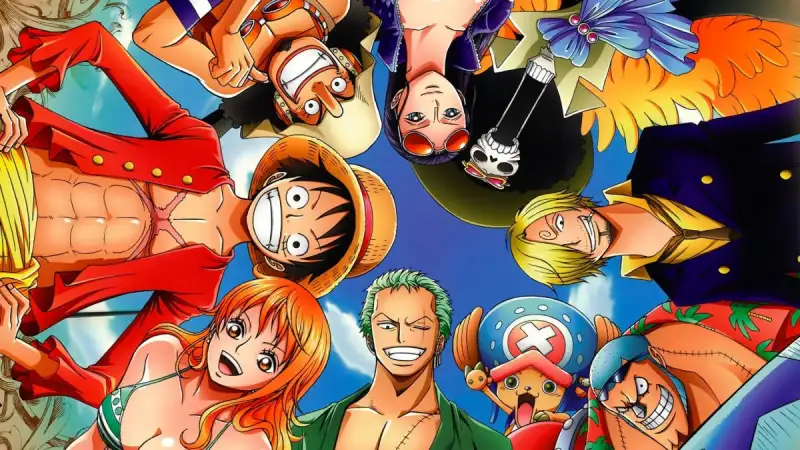
Our blog, "one piece characters," itself is a tribute to the power of well-crafted personalities, and One Piece stands as a monumental example. Over more than a thousand chapters, Eiichiro Oda has meticulously developed a sprawling cast, none more iconic than Monkey D. Luffy. Luffy, with his unwavering dream of becoming the Pirate King, maintains a childlike innocence, yet constantly grows in strength, leadership, and emotional maturity. His crewmates—Zoro’s unyielding loyalty and ambition, Nami’s evolving trust, Sanji’s chivalry, Usopp’s journey from cowardice to bravery—each possess deeply ingrained backstories and distinct personalities that fuel the narrative. Their individual arcs intertwine to form a cohesive, emotionally resonant whole. The journey of these characters, their development through trials and tribulations, their relationships, and their unwavering pursuit of their dreams, is what keeps fans invested for decades. It is this masterful character building that elevates manga and manhwa beyond mere entertainment, cementing their place as profound narrative art forms.
Challenges and Controversies: The Murky Waters
Despite its undeniable triumphs, the world of manga, manhwa, and scanlations is not without its significant challenges and persistent controversies. At the forefront is the contentious issue of copyright infringement. Publishers and creators rightfully assert their intellectual property rights, viewing unauthorized scanlations as a direct threat to their livelihood and the sustainability of the industry. Legal actions are frequently taken against major scanlation sites, leading to their shutdown, though often new ones quickly emerge, creating a perpetual game of digital whack-a-mole. This constant battle strains resources and creates an environment of uncertainty for both creators and readers.
Another major challenge lies within the scanlation community itself: burnout. Fan translators and typesetters are volunteers, often dedicating countless hours to projects purely out of passion. This demanding work, coupled with academic or professional responsibilities, can lead to exhaustion and projects being dropped or significantly delayed. The pressure from fans for faster releases can be immense, creating an unhealthy cycle where the very people enabling access are pushed to their limits without compensation.
Quality control is also a recurring issue. While many scanlation groups pride themselves on accurate and well-edited translations, the volunteer nature means that quality can vary wildly. Poor translations, awkward phrasing, and inconsistent terminology can detract significantly from the reading experience, potentially misrepresenting the original creator's intent. This contrasts sharply with official translations, which typically undergo rigorous editing and localization processes, although even official releases can sometimes face criticism for their choices.
Furthermore, the relationship between fan expectations and official release schedules remains a point of friction. After years of enjoying instant access through scanlations, some fans express frustration when official releases are slower or behind the scanlation pace, or if they introduce changes that diverge from what they've become accustomed to. This creates a difficult balancing act for official publishers trying to cater to a market that has been shaped by unofficial means. The ethical quandary for readers—choosing between free, immediate, but unauthorized content, and slower, paid, but legitimate options—is a personal decision fraught with implications for the future of the entire industry.
The Future of Manga, Manhwa, and Scanlations: An Evolving Landscape
Looking ahead, the landscape of manga, manhwa, and scanlations is poised for continued evolution, driven by technological advancements, shifting consumer habits, and ongoing efforts by the official industry to adapt. We are already witnessing the increasing legitimization and diversification of digital comics. Official platforms are becoming more robust, offering subscription models, simultaneous releases, and expanding their libraries at an unprecedented rate. The goal is clear: to offer an experience so compelling and convenient that it negates the perceived need for unofficial sources. The rise of "webtoonization" – adapting popular novels into comic format – and the success of original webtoon series suggest a healthy, innovative future for digital sequential art.
Artificial intelligence presents both a promise and a potential threat. AI-powered translation tools are becoming increasingly sophisticated, potentially speeding up localization processes for official publishers and offering new tools for fan translators. However, questions remain about AI's ability to capture nuance, cultural context, and artistic voice effectively. Similarly, AI in art generation could revolutionize creation, but also raises concerns about job displacement and artistic integrity.
The role of fan communities will undoubtedly remain central. Even with comprehensive official offerings, the desire for fan-driven discussion, analysis, and creative output (fan art, fanfiction, theories) will persist. Scanlations, though facing increasing pressure, may also evolve. Perhaps they will shift focus to truly niche, untranslated works, or act as proof-of-concept for publishers, highlighting series with strong international appeal. Some speculate a future where official platforms integrate fan translation initiatives, offering a pathway for dedicated fans to contribute legitimately.
Ultimately, the future points towards a more integrated global market where content is available quickly and legally across borders. The challenge for the industry will be to continue innovating, providing value that scanlations cannot, and fostering a relationship with fans that encourages legitimate support. The enduring power of compelling narratives and unforgettable characters, like those celebrated on "one piece characters," will remain the driving force, ensuring that the art of sequential storytelling continues to thrive and transform for generations to come.
Conclusion
From the pioneering works of Osamu Tezuka to the vibrant, scrollable sagas of modern webtoons, manga and manhwa have undergone an incredible metamorphosis, captivating a global audience beyond anyone's wildest dreams. Scanlations, born out of fan passion and a desire for immediate access, played a pivotal, albeit controversial, role in this expansion, revealing a universal appetite for diverse storytelling. While the official industry now strives to meet this demand with robust digital platforms and simultaneous releases, the dynamic tension between legitimate and unofficial consumption continues to shape the landscape. What remains constant throughout this evolving ecosystem is the profound impact of characters – whether they are the Straw Hat Pirates navigating the Grand Line or new heroes rising in a fantasy world – who connect with readers on a deeply personal level. As technology advances and legal frameworks adapt, the journey of manga and manhwa will undoubtedly continue to inspire, entertain, and challenge, solidifying their place as one of the most exciting and influential art forms of our time.