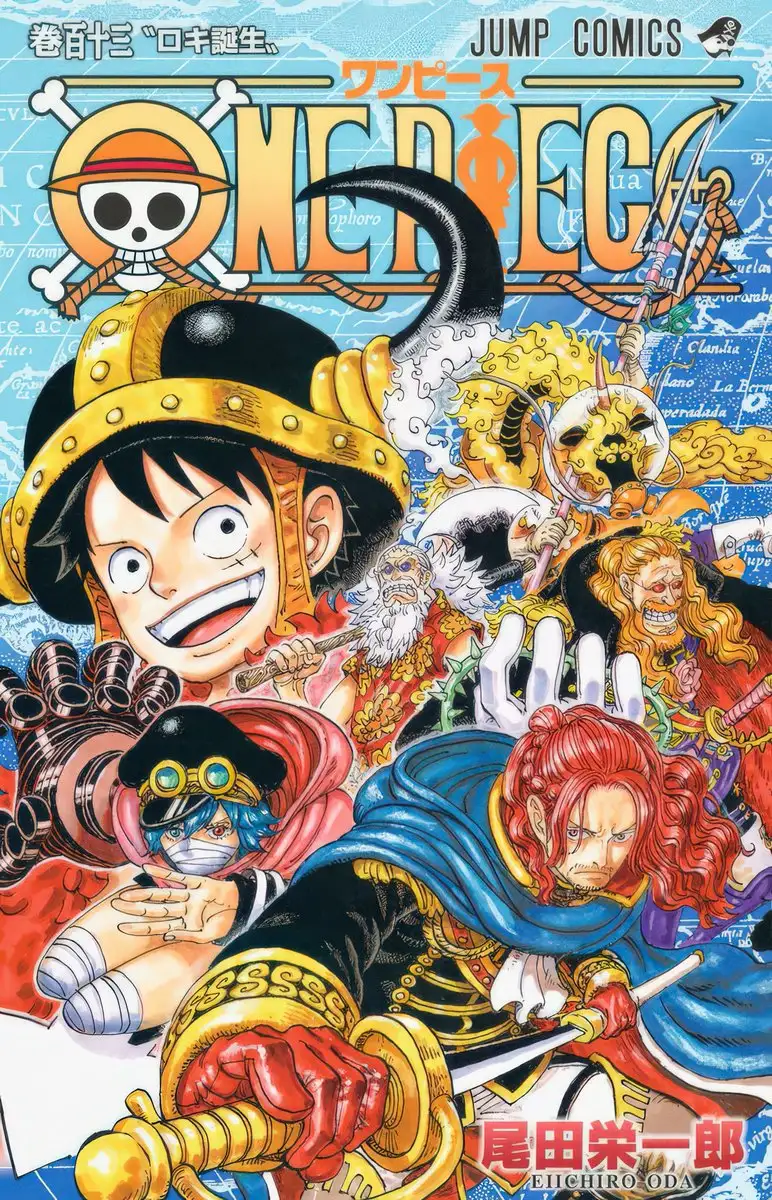
Ahoy, fellow voyagers of the grand line of digital storytelling! Welcome to the shores of One Piece Elbaf, where we chart courses through the vast and ever-expanding oceans of manga, manhwa, and the fascinating, often contentious, world of scanlation. For years, these incredible narratives, born from the creative minds of Japan and Korea, remained largely inaccessible to a global audience. But the internet, fueled by an insatiable hunger for unique stories and breathtaking art, sparked a revolution. What began as a grassroots movement of passionate fans translating their favorite works has blossomed into a multi-billion-dollar industry, reshaping how we consume sequential art and creating a vibrant, yet complex, digital landscape.
Today, we embark on an epic journey to explore the phenomenon of digital manga and manhwa, dissecting the scanlation engine that powered its initial global spread, examining the ethical quagmires, celebrating the technological marvels, and peering into the horizon to understand what the future holds for these beloved mediums. Prepare yourselves, for this will be an adventure worthy of the New World itself!
The Golden Age of Digital Storytelling: Breaking Down Borders
Remember a time when getting your hands on the latest Japanese manga meant waiting months for an official English release, if it came at all? Or perhaps sifting through the limited, often heavily edited, offerings at local bookstores? For many, especially those outside major Western markets, the world of manga was a distant, exotic dream. Then came the internet, a true 'Grand Line' that connected fans across continents, tearing down geographical barriers and ushering in what many now call the golden age of digital storytelling.
The shift from physical to digital was not merely a change in format; it was a paradigm shift in accessibility and reach. Suddenly, hundreds of thousands of manga chapters, previously confined to Japanese magazines and tankōbon volumes, became available at the click of a button. This was closely followed by the explosion of manhwa, particularly webtoons, from South Korea. These vertically scrolling, full-color comics offered a fresh aesthetic and storytelling approach, quickly captivating a global audience. The convenience of reading on smartphones, tablets, and computers transformed a niche hobby into a mainstream obsession. Publishers, initially slow to adapt, soon recognized the immense, untapped potential of a global digital readership, paving the way for official platforms and simulpubs that now deliver chapters almost simultaneously with their original releases.
The Scanlation Phenomenon: A Labor of Love and Rebellion
Before official channels caught up, there was scanlation. The term itself is a portmanteau of "scanning" and "translation," perfectly encapsulating the process. At its heart, scanlation was, and often still is, a labor of love. Dedicated fans, often without any compensation, would procure raw Japanese or Korean comics, scan them page by page, meticulously clean the artwork, digitally erase the original text, translate the dialogue and sound effects, and then painstakingly typeset the new English (or other language) text back onto the pages. This was a monumental, often thankless, task, driven purely by passion and the desire to share beloved stories with a wider, eager audience.
The origins of scanlation can be traced back to the early days of the internet, when dial-up modems slowly downloaded grainy images from IRC channels and nascent forums. As technology improved and broadband became prevalent, so too did the quality and speed of scanlation groups. These groups, often operating under pseudonyms and shrouded in a veil of anonymity, became the unofficial gatekeepers and distributors of foreign comics. They were the 'Elbaf giants' of the early digital age, building bridges of understanding and connection between creators and a burgeoning international fanbase. Without their tireless efforts, many iconic series might never have gained the global traction they enjoy today.
The Unsung Heroes: Anatomy of a Scanlation Group
Behind every scanlated chapter is a team of volunteers, each playing a crucial role:
- Raw Provider: The person who acquires the physical or digital raw chapters.
- Scanner/Cleaner: Responsible for scanning physical copies and digitally cleaning the pages, removing Japanese/Korean text, dust, and imperfections.
- Translator: The linguistic bridge, converting the original text into the target language. This requires not just literal translation but also an understanding of cultural nuances and slang.
- Redrawer: Specializes in redrawing parts of the artwork that were covered by original text or where text needs to be removed from complex backgrounds.
- Typesetter (TS): Places the translated text onto the cleaned pages, choosing appropriate fonts, sizes, and placements to mimic professional lettering and maintain readability.
- Proofreader/Editor: Reviews the translated and typeset pages for grammatical errors, typos, awkward phrasing, and consistency.
- Quality Checker (QC): The final gatekeeper, ensuring everything is perfect before release.
The sheer dedication and skill required for these roles, all performed for free, highlight the profound love these individuals hold for the medium.
The Ethical Tightrope: Copyright, Piracy, and Fan Service
While scanlation undoubtedly played a pivotal role in globalizing manga and manhwa, it has always existed in a precarious legal and ethical gray area. From a strict legal standpoint, scanlation constitutes copyright infringement. It involves unauthorized reproduction, translation, and distribution of copyrighted material. This has led to numerous cease-and-desist orders, website shutdowns, and a constant cat-and-mouse game between publishers and scanlators.
However, proponents of scanlation argue that it serves as a vital form of "fan service" and promotion. They contend that:
- Increased Exposure: Scanlations introduce series to a global audience that would otherwise have no access, often leading to increased sales once official translations become available.
- Bridging Gaps: For many years, official releases were slow, incomplete, or non-existent for countless series. Scanlation filled this void.
- Building Communities: It fosters vibrant online communities centered around specific series, generating hype and discussion.
- Quality Concerns: Sometimes, fan translations are perceived by some readers to be more faithful or higher quality than rushed official releases, though this is a subjective and debated point.
Conversely, publishers and creators rightly point out that scanlation:
- Undermines Sales: It diverts potential customers from official purchases, directly impacting the creators' livelihoods.
- Legal Liabilities: It creates a legal headache for copyright holders.
- Loss of Control: Publishers lose control over the presentation and quality of their intellectual property.
- Exploitation of Labor: While scanlators work for free, aggregator sites hosting these translations often profit from ads without compensating anyone involved in the creation or translation.
This dynamic tension has shaped the industry, leading to a crucial evolution. Recognizing the global demand cultivated partly by scanlation, major publishers like Shueisha, Kodansha, Yen Press, and Kakao Entertainment (for manhwa) have invested heavily in official digital platforms, simulpubs, and aggressive international licensing. Services like Manga Plus, Crunchyroll Manga, WEBTOON, and Tapas now offer legal, often free-to-read, access to thousands of titles, directly supporting creators. This shift represents a significant step towards legitimizing the global consumption of manga and manhwa, making the ethical argument for scanlation increasingly difficult to maintain.
The Manhwa Meteoric Rise: A Different Scroll
While manga paved the way, manhwa, particularly webtoons, have carved out their own colossal niche, becoming 'Elbaf giants' in their own right. Originating from South Korea, webtoons differentiate themselves with several key characteristics:
- Full Color: Unlike the predominantly black-and-white manga, webtoons are almost universally published in vibrant full color.
- Vertical Scroll Format: Designed specifically for smartphones, the vertical scrolling layout offers a distinct reading experience that flows seamlessly.
- Weekly Release Schedule: Most webtoons adhere to a strict weekly release, fostering a strong sense of anticipation and engagement.
- Diverse Genres: While sharing many genres with manga, webtoons often have a strong emphasis on romance, fantasy, action, and unique slice-of-life narratives that resonate with a broad demographic.
The rise of platforms like Naver WEBTOON (and its global counterpart, WEBTOON) and KakaoPage (Tapas in the West) has democratized content creation and consumption. Aspiring artists can directly publish their work, find an audience, and potentially get picked up for official serialization. This creator-centric model has fueled an explosion of creativity, leading to massively popular titles like Solo Leveling, True Beauty, and Tower of God, which have garnered millions of readers worldwide and spawned anime adaptations and live-action dramas.
Scanlation played a role in the early days of webtoon globalization too, but official platforms quickly established a dominant presence, offering legal, high-quality translations often simultaneous with the Korean releases. This rapid official expansion has largely superseded the need for extensive webtoon scanlation, demonstrating a successful model for global content delivery.
Technological Triumphs: The Digital Canvas and Beyond
The journey from a raw comic page to a perfectly typeset, translated digital chapter is a testament to both human ingenuity and technological advancement. Early scanlators relied on rudimentary tools and painstaking manual processes. Today, sophisticated software like Photoshop, Clip Studio Paint, and specialized typesetting programs allow for incredibly precise cleaning, redrawing, and lettering. Scripting and automation tools are also employed to streamline parts of the workflow.
Furthermore, the development of robust digital distribution platforms has transformed the reading experience. Features like cloud syncing, personalized recommendations, in-app purchases, and subscription models have made digital manga and manhwa more accessible and enjoyable than ever before. Aggregator sites, while controversial, also showcased the power of centralized digital libraries, a concept quickly adopted and refined by official platforms.
The advent of Artificial Intelligence (AI) is already starting to impact this ecosystem. AI-powered translation tools, while not yet perfect, are becoming increasingly sophisticated, potentially reducing the human effort required for initial translations. Similarly, AI could assist in cleaning and redrawing tasks, though the artistic nuance and human touch remain irreplaceable for now.
Challenges and Controversies in the Digital Depths
Despite the triumphs, the world of digital manga, manhwa, and scanlation is not without its turbulent waters:
- Speed vs. Quality: The "race for raws" among scanlation groups often led to rushed translations and typesetting errors. Official platforms, while generally higher quality, sometimes struggle to keep pace with fan expectations for immediate release.
- Monetization Ethics: While scanlators themselves typically don't profit, the large aggregator sites that host their work often generate substantial revenue through advertising. This raises ethical questions about who benefits from the unpaid labor of fans.
- Creator Compensation: The core issue remains ensuring creators are fairly compensated for their work. While official platforms directly address this, widespread piracy continues to chip away at potential earnings.
- Preservation and Access: What happens to older, less popular series that might never receive an official translation? Scanlation, for better or worse, sometimes acts as a form of digital preservation, albeit an unauthorized one.
- Region Locking and Licensing Gaps: Even with the rise of official platforms, licensing agreements can be complex, leading to region-locked content or situations where popular series are unavailable in certain territories, creating an ongoing demand for unofficial alternatives.
These challenges underscore the dynamic tension between fan demand, creator rights, and the evolving business models of the publishing industry. Navigating these depths requires continuous adaptation and a willingness to find common ground.
The Future Horizon: Charting New Courses
As we gaze towards the future, what can we expect from the world of manga, manhwa, and the role of fan translations?
The trajectory is clear: official digital platforms will continue to dominate. Publishers have learned from the past and are investing heavily in global reach, simulpubs, and diverse libraries. The convenience, legality, and direct support for creators offered by these platforms are increasingly appealing to readers who want to consume content ethically.
Does this mean the end of scanlation? Not entirely, but its role will likely diminish and evolve. It may revert to its original function: providing access to truly niche, untranslated works that official channels deem unprofitable, or serving as an immediate stopgap for hotly anticipated series until official releases catch up. The community aspect, the shared passion for discovery, will likely persist, even if the primary means of distribution shifts.
AI will play an increasingly significant role. From enhancing translation efficiency to assisting with cleaning and even potentially generating certain types of content, AI's influence is undeniable. However, the unique human touch in storytelling, art, and nuanced translation will remain paramount, ensuring that human creators and translators retain their essential place.
Furthermore, we can anticipate more innovative business models. Subscription services, hybrid free/paid models, and even direct creator-to-reader platforms will continue to emerge, offering diverse ways for audiences to engage with and support their favorite artists and writers. The global market for sequential art is only going to grow, driven by the continued appeal of Japanese manga and the explosive growth of Korean webtoons, along with emerging scenes from China (manhua) and other regions.
The ultimate goal for all stakeholders – creators, publishers, and readers – should be to cultivate an ecosystem where creativity flourishes, intellectual property is respected, and global audiences can easily access high-quality content in a timely manner. The journey from a niche Japanese art form to a global entertainment juggernaut has been a long and winding one, propelled by the relentless passion of fans and the gradual embrace of digital innovation.
Conclusion: A Legacy Forged by Passion and Progress
Our voyage through the epic seas of manga, manhwa, and scanlation brings us full circle. From the humble beginnings of fan-driven projects to the towering 'Elbaf giants' of global digital platforms, this industry has undergone a monumental transformation. Scanlation, for all its legal ambiguities, undeniably played a crucial, if controversial, role in bringing these vibrant worlds to a global audience, fostering communities and igniting a passion that ultimately forced the industry to adapt and innovate.
Today, we stand at a fascinating juncture. Official platforms offer unprecedented access and support for creators, making it easier than ever to enjoy your favorite stories legally. Yet, the spirit of discovery and the desire for immediate access, once championed by scanlators, continue to drive the evolution of digital content delivery.
As readers, our power lies in our choices. By supporting official releases, subscribing to legal platforms, and engaging with creators, we help build a sustainable future for the artists and writers who enrich our lives with their boundless imaginations. The grand line of digital storytelling is vast and full of wonders, and with each passing chapter, we continue to explore new islands, discover new treasures, and contribute to the ongoing saga of sequential art. So, keep reading, keep exploring, and keep supporting the creators who bring these magnificent worlds to life!