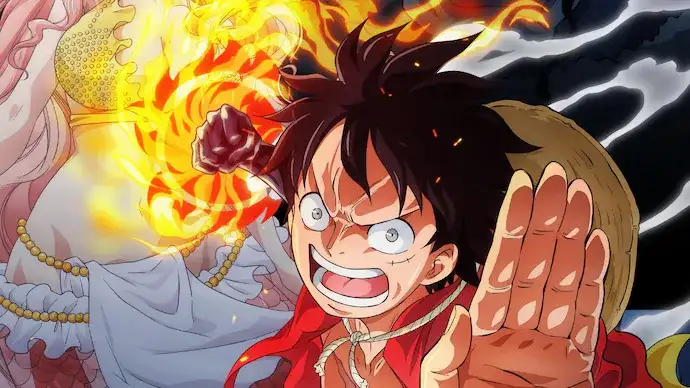
Welcome, fellow enthusiasts, to the vibrant and ever-evolving universe of sequential art! As fans who frequent sites like 'one piece manga online' know well, the journey of discovering and devouring our favorite stories is more dynamic now than ever before. For decades, manga reigned supreme as the undisputed king of comics from the East. Then, a new challenger emerged, sweeping the digital landscape with vertical scrolls and vibrant colors: manhwa. And intertwined with both, for better or worse, is the fascinating and often contentious phenomenon of scanlation. This isn't just a story of comics; it's a saga of cultural exchange, technological disruption, and the enduring passion of creators and readers alike. Join us as we explore the rich history, dramatic present, and exciting future of how we consume these incredible narratives.
The Enduring Legacy: Manga's Global Dominance and Cultural Roots
Manga, the distinctive Japanese art form, has captivated audiences worldwide for generations. Its roots can be traced back centuries, evolving from ancient picture scrolls and ukiyo-e woodblock prints into the sophisticated storytelling medium we recognize today. Post-World War II, under the visionary influence of artists like Osamu Tezuka, manga solidified its modern form, establishing conventions like distinct character designs, dynamic panel layouts, and serialized storytelling that allowed narratives to unfold over hundreds, even thousands, of chapters. Think of monumental sagas like One Piece itself, a prime example of manga's unparalleled ability to craft sprawling worlds and enduring characters that resonate deeply with readers.
What truly sets manga apart is its incredible diversity. Unlike Western comics often categorized by superhero narratives, manga encompasses every conceivable genre. From shonen (boys' comics) with action-packed adventures like Dragon Ball and Naruto, to shojo (girls' comics) exploring romance and drama such as Sailor Moon and Fruits Basket, seinen (men's comics) delving into more mature themes like Berserk and Vagabond, and josei (women's comics) offering realistic portrayals of adult life, there is truly a manga for every taste and age group. This expansive range has allowed manga to transcend cultural barriers, fostering a global community of fans who eagerly await each new release.
The cultural impact of manga is undeniable. It's not merely entertainment; it's a cornerstone of Japanese culture, influencing fashion, music, literature, and even tourism. Internationally, manga has inspired countless artists, writers, and filmmakers, proving that its unique narrative structure and visual language possess universal appeal. For many outside Japan, manga was the first gateway into Japanese culture, fostering an appreciation that extended far beyond the page. The tactile experience of holding a manga volume, flipping through its pages, and immersing oneself in the artwork became a ritual for millions.
A New Horizon: The Rise of Manhwa and the Webtoon Revolution
While manga was busy conquering the globe, a different but equally compelling form of sequential art was flourishing in South Korea: manhwa. Historically, manhwa shared many similarities with manga, influenced by Japanese occupation and post-war cultural exchange. However, in the 21st century, manhwa underwent a revolutionary transformation, largely driven by the internet and mobile technology, giving birth to the phenomenon known as webtoons.
Webtoons fundamentally changed the way comics were created and consumed. Designed specifically for digital platforms and mobile devices, webtoons adopted a vertical scroll format, eliminating traditional page breaks and allowing for an uninterrupted flow of narrative. This vertical layout proved incredibly intuitive for smartphone users, making it easy to read on the go. Furthermore, webtoons often embraced full-color artwork, a stark contrast to the predominantly black-and-white pages of traditional manga. This vibrant aesthetic, combined with serialized releases, rapidly gained traction.
Platforms like Naver Webtoon (now simply Webtoon internationally) and Daum Webtoon (Kakao Webtoon) became incubators for a new generation of creators and stories. These platforms offered artists a direct avenue to publish their work, often with lower barriers to entry than traditional publishing houses. This accessibility led to an explosion of diverse content, ranging from fantasy epics like Solo Leveling to heartwarming romances such as True Beauty, and chilling thrillers like Sweet Home. The sheer volume and variety of webtoons quickly attracted a massive global audience, many of whom were new to comics entirely.
The impact of webtoons extends beyond their innovative format. They have democratized comic creation, allowing independent artists to gain a following and even professional contracts based on reader engagement. The direct feedback loop between creators and readers through comment sections fosters a unique sense of community. Moreover, webtoons have become a major source of IP for other media, with countless adaptations into K-dramas, films, and animated series, further cementing their status as a global entertainment powerhouse. For many, reading a webtoon on their phone has become as natural as scrolling through social media, fundamentally altering reading habits.
The Grey Zone: Scanlation's Double-Edged Sword
Before the widespread availability of official digital platforms, there was another, often controversial, force driving the global popularization of manga and, later, manhwa: scanlation. Scanlation, a portmanteau of "scanning" and "translation," refers to the unofficial process of scanning raw Japanese or Korean comics, translating the text into other languages (most commonly English), cleaning and typesetting the pages, and then distributing them online, usually for free. This practice emerged in the late 1990s and truly flourished in the early 2000s, driven by passionate fans who simply couldn't wait for official releases, or whose desired series might never see an official English translation.
In its heyday, scanlation played a pivotal, albeit legally questionable, role in exposing Western audiences to a vast array of manga and manhwa that would otherwise have remained inaccessible. Many iconic series gained their initial foothold in the West through scanlation groups, building a fanbase that eventually paved the way for official licensing. These groups, often operating purely out of love for the medium, invested countless hours in translating, editing, and formatting, essentially acting as an unpaid, global marketing arm for Japanese and Korean publishers. Without scanlation, it's fair to say that the global reach of many beloved series would have been significantly delayed, if not entirely stunted.
However, the ethical and legal implications of scanlation are profound. From a legal standpoint, it constitutes copyright infringement, as it involves the unauthorized reproduction and distribution of copyrighted material. This means creators and publishers receive no compensation for the work being consumed, directly impacting their livelihoods and the industry's ability to produce more content. While scanlators often argue their actions are driven by passion and that they cease operations once a series is officially licensed, the reality is that the unauthorized distribution can cut into legitimate sales, particularly for early volumes.
The debate around scanlation is complex. On one hand, it undeniably fostered a global community and introduced countless fans to the medium. On the other, it represents a direct challenge to the economic model that sustains creators and publishers. As official channels have become more accessible and timely, the justification for scanlation has diminished significantly. While it once filled a genuine void, its continued prevalence now often undermines the very industry it claims to love, making it a true double-edged sword in the history of manga and manhwa's global expansion.
The Digital Transformation: Official Platforms Step Up Their Game
The past decade has witnessed a dramatic shift in how manga and manhwa are officially distributed, largely in response to the prevalence of scanlation and the increasing demand for instant digital access. Publishers and tech companies have invested heavily in creating legal, accessible, and often affordable digital platforms, fundamentally changing the landscape for readers and creators alike.
For manga, platforms like Manga Plus by Shueisha, Shonen Jump+, and Crunchyroll Manga have emerged as game-changers. Manga Plus, for instance, offers simultaneous releases of chapters from popular Shonen Jump series (like One Piece itself!) in multiple languages, often on the same day as their Japanese release. This effectively eradicates the primary motivation for scanlation – the wait time. Shonen Jump+ in Japan also offers an expansive digital library, and similar services from other publishers like Kodansha and Yen Press provide legal access to vast catalogs through apps and web readers.
The rise of these platforms means readers can now support their favorite creators directly. Subscription models, like those offered by Shonen Jump in the US (a small monthly fee for unlimited access to a massive back catalog and new chapters), or pay-per-chapter/volume models, ensure that a portion of the revenue makes its way back to the artists and writers. This direct support is crucial for the sustainability of the industry, allowing creators to continue producing the stories we cherish.
Similarly, for manhwa, the official platforms that gave birth to the webtoon phenomenon have gone global. Webtoon (Naver Webtoon), Tapas, Lezhin Comics, and Kakao Webtoon/Piccoma have become dominant players, not just in Korea but worldwide. These platforms often employ freemium models, allowing readers to access some chapters for free, then pay for early access, or subscribe for unlimited reading. They also actively scout and publish original content from international creators, fostering a truly global ecosystem for vertical-scroll comics.
The benefits of these official platforms are manifold: high-quality translations, clean artwork, easy accessibility across devices, and most importantly, ethical consumption that directly supports the creators. They have successfully bridged the gap between creators and a global audience, making it easier than ever to discover and enjoy thousands of series legally. This digital transformation has not only reduced the reliance on scanlation but has also opened up new avenues for growth and innovation within the industry, demonstrating a clear path towards a sustainable future for sequential art.
Navigating the Landscape: For the Dedicated Fan
In this rich and complex ecosystem of manga, manhwa, and ever-evolving digital platforms, how does a dedicated fan navigate the waters? The answer lies in making informed choices that balance personal enjoyment with ethical consumption and supporting the creators who pour their hearts into these stories.
Firstly, prioritize official sources whenever possible. If your favorite series is available on platforms like Manga Plus, the Shonen Jump app, Crunchyroll Manga, Webtoon, Tapas, or Lezhin Comics, that should be your primary destination. Many of these platforms offer free chapters, trials, or affordable subscription models that give you access to a vast library. Think of it as investing directly in the future of the stories you love. Each subscription, each purchase, sends a clear message to publishers and creators that there is a demand for their work, encouraging them to produce more and license more titles for international release.
Secondly, engage with the community responsibly. Discussion forums, social media groups, and fan sites (like 'one piece manga online' for discussion, news, and community interaction) are fantastic places to connect with fellow fans, discover new series, and share your passion. However, be mindful of where discussions might veer into promoting illegal scanlation sites. Encouraging legal consumption helps strengthen the community and the industry as a whole.
Thirdly, explore the full breadth of available content. With so many official platforms, it's easier than ever to stumble upon hidden gems and new favorites. Don't limit yourself to just the most popular titles; dive into diverse genres and emerging artists. Many platforms have recommendation engines, curated lists, and even fan-created tags that can help you find your next obsession. This exploration not only enriches your reading experience but also helps newer creators gain traction.
Finally, understand the value of the art. Creating manga and manhwa is a demanding process requiring immense talent, time, and dedication from artists, writers, editors, and production teams. When you choose official channels, you're not just buying a story; you're supporting an entire creative ecosystem. This understanding fosters a deeper appreciation for the work and encourages responsible consumption habits.
The Future is Hybrid: Co-existence and Evolution
What does the future hold for manga, manhwa, and the way we consume them? It’s likely to be a hybrid landscape, a dynamic interplay of established traditions and groundbreaking innovations. While scanlation’s prominence has rightly diminished with the rise of official platforms, the underlying desire for immediate, global access to diverse content remains a powerful force. This push will continue to drive publishers to innovate, expand, and lower barriers to entry for international readers.
We can expect even greater global synchronization of releases. The model pioneered by Manga Plus, where new chapters are available worldwide simultaneously, will likely become the norm for popular series across all major publishers. This 'day-and-date' release strategy is the most effective antidote to illegal distribution, satisfying reader demand instantly and ethically.
Furthermore, the diversification of monetization models will continue. Beyond traditional subscriptions and single-purchase volumes, we might see more creative approaches like micro-transactions for bonus content, direct fan-funding options within official apps, or even interactive storytelling elements. The success of Webtoon and Tapas in fostering direct connections between creators and readers through comments and tipping mechanisms points towards a future where fan engagement plays an even larger role in a series' success and funding.
The line between manga and manhwa will also become increasingly blurred, particularly in the digital space. With more Japanese artists experimenting with full-color webtoon formats and Korean publishers adapting their successful webtoons into print manga volumes, the mediums are influencing each other more than ever. This cross-pollination will lead to a richer, more diverse tapestry of sequential art, offering readers an unparalleled variety of styles and narrative approaches.
Lastly, accessibility will continue to improve. As global markets mature, we’ll likely see more localized content, not just in terms of language but also cultural relevance, perhaps even commissioning local artists to create webtoons or manga for specific regions. The goal will be to make these incredible stories available to everyone, everywhere, in the format they prefer, ensuring that the magic of sequential storytelling reaches every corner of the globe.
Conclusion: A Passion That Continues to Evolve
Our journey through the worlds of manga, manhwa, and the impact of scanlation reveals a vibrant, ever-changing landscape driven by innovation and immense passion. From the timeless black-and-white pages of classic manga to the vibrant, vertical scrolls of modern webtoons, the art of sequential storytelling continues to captivate, entertain, and inspire millions. The digital revolution has democratized access, empowered creators, and shifted the paradigm of consumption, moving us towards a future where supporting the artists is not just an option but an integral part of the reading experience.
As fans who cherish these intricate narratives and breathtaking artwork, our role is crucial. By embracing official platforms, advocating for ethical consumption, and engaging with the community responsibly, we contribute directly to the health and growth of an industry that brings us so much joy. Whether you're catching up on the latest chapter of One Piece, exploring a new fantasy manhwa, or revisiting a beloved classic, remember the incredible journey these stories have taken to reach your screen or hands.
The future of manga and manhwa is bright, promising even more incredible stories, innovative formats, and deeper connections between creators and fans worldwide. Let's continue to celebrate this incredible art form, ensuring its legacy for generations to come. Keep exploring, keep reading, and keep supporting the magic!